 pagespics
The Bangaloreans Part 2: A Photographers Journey with a Holy Bull Walker
It would appear that not all bulls are born equal. The one in the photo below is particularly special, in that you can hire it for the day along with its owner and experience bull walking for yourself. This image reminded me of a book by Michael Freeman, ‘Get The Photos Others Can’t’. One tip to get photos that are a little different is to go to places others do not go! This location was in a small village in Bangalore. I am not sure I would have found it if I had not been working on ‘The Bangaloreans’.
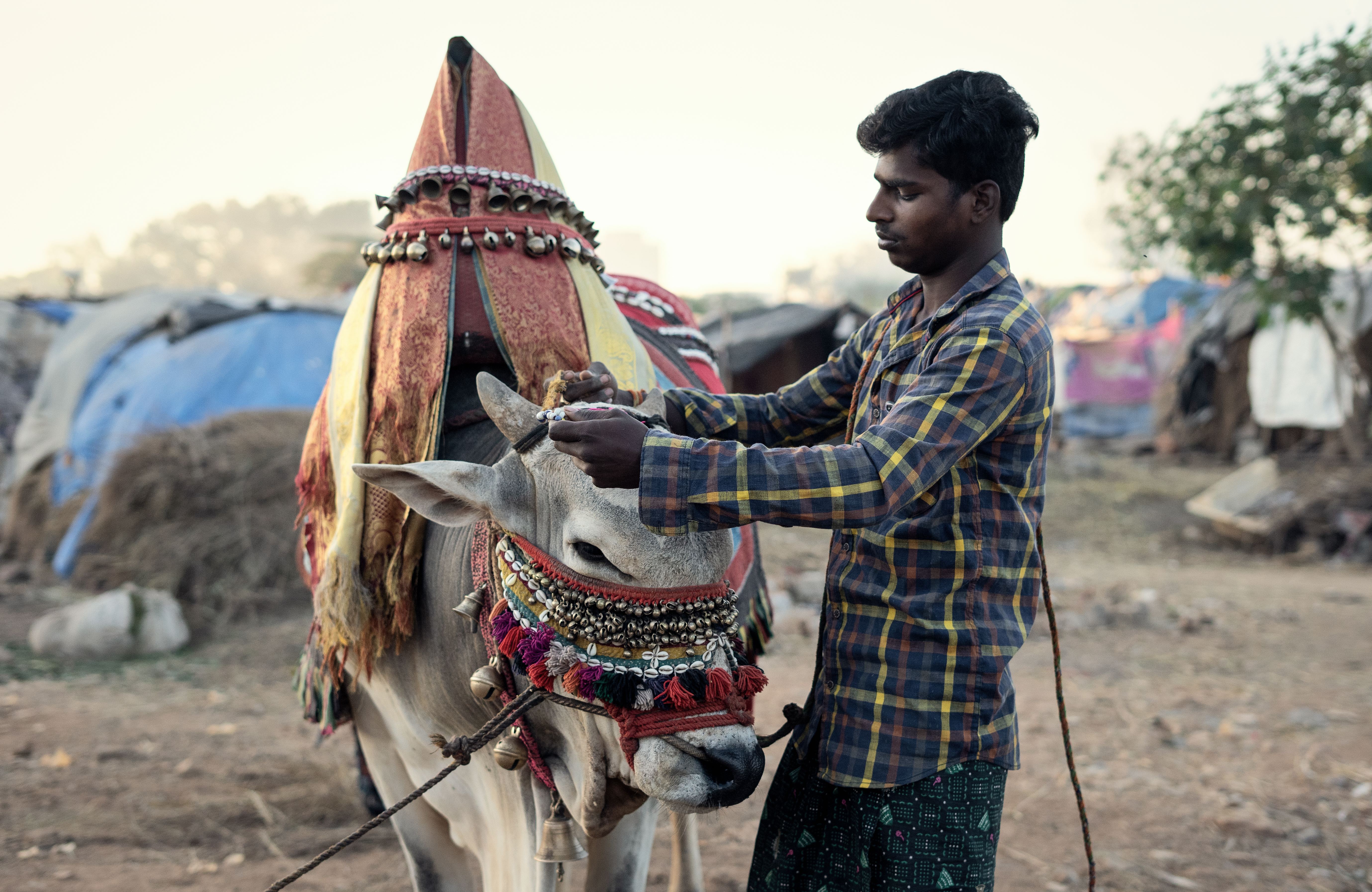
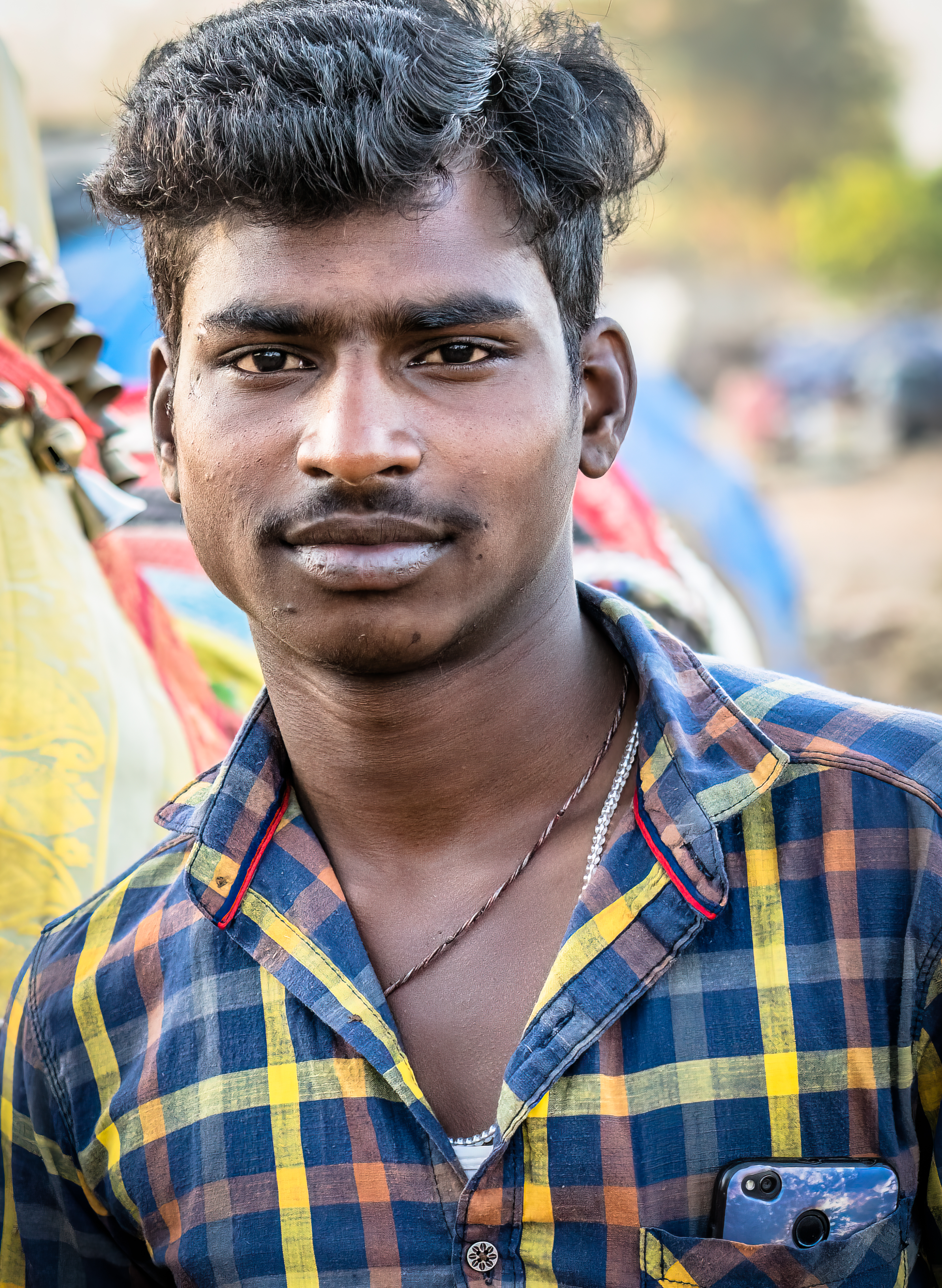
What are some unusual locations you have been for photography?
Where and why we take photos.
This article has made me think about why we take photos. Is it about the final image, or about the journey taken capturing the photo? Maybe the answer is obvious with travel photography. However, my profession of teaching has also opened doors to locations I would have got to as a regular tourist. Other examples include entering buildings that, perhaps are meant to be kept out of. Not that I am advocating breaking and entering, but handing security a backhander can do wonders…
What are some of your more unusual location for photography? Let me know in the comments.
Take care and keep clicking, Chris


Your question is very interesting and makes me think what exactly is an unusual location for me. Some of my very usual locations or places can be the most unusual for other people.. Like the underground rock scene or the filming set for the feature movie or music clip. Or the spontaneous street march with the fans of the most scandalous football club. Or shooting close to the northern board of Ethiopia, which is also exotic and not only unusual. Not easy to say what is more unusual, maybe the place where i felt uncomfortable? Or in danger?
LikeLike
Danger always heightens awareness, which can benefit the photos you take no end.
LikeLiked by 1 person
Within this time of my journey through life, I found inspiration with this Frank Meadow Shutcliffe’s quote. HIs words and work have invited me to not look for the unusual and to silence the discount of being “tethered” so that I may be open to the magic of moments that “captures” me.
Sutcliffe rarely left Whitby [a port and resort community on the Yorkshire coast], where his portrait studio kept him busy, and said that he was ‘tethered for the greater part of each year by a chain, at most only a mile or two long.’ To most modern photographers this would seem a crippling restriction, but Sutcliffe gradually realized that it was an asset to him as a photographer since it forced him to concentrate on the transitory effects that could transform familiar scenes. …photographers should always aim for something more than ‘mere postcard records of facts.’ ‘By waiting and watching for accidental effects of fog, sunshine or cloud,’ he advised, ‘it is generally possible to get an original rendering of any place. If we only get what any one can get at any time, our labour is wasted; a mere record of facts should never satisfy us.’
cited: Frank Meadow Sutcliffe, The History of Photography Series, p 8
LikeLiked by 1 person
I have never heard of Frank Meadow Sutcliffe, but will be sure to check out his work. Thanks for your thoughts.
LikeLike