 pagespics
The Bangkok Photography Group
Posted on March 22, 2026
Photo Walk: #144 Prem Prachakon Canal
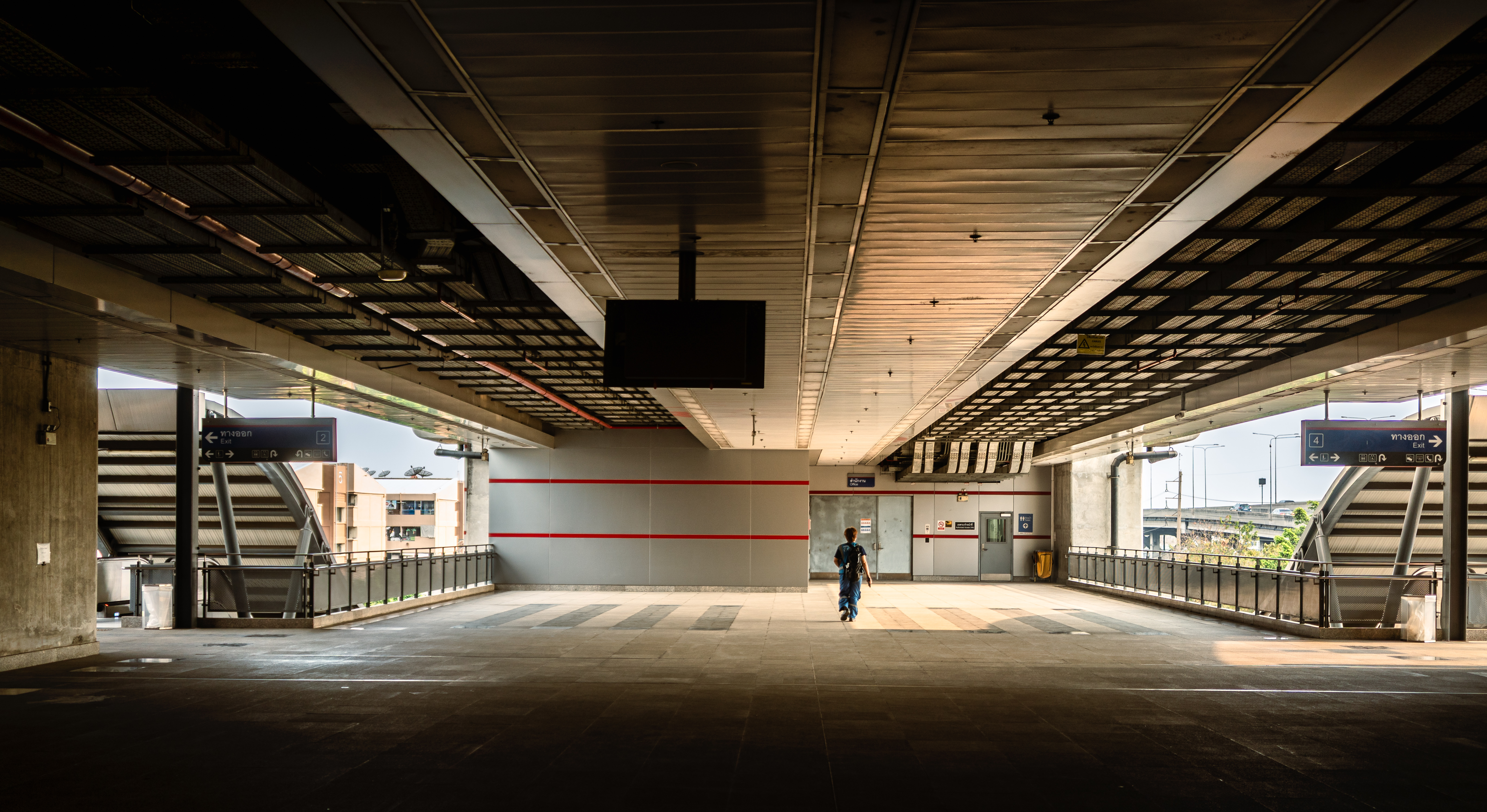
I have recently stumbled upon the Bangkok Photography Group on Facebook, who organise monthly walks in various corners of Bangkok. Walks are followed by a talk, held somewhere off the main drag of Sukhumvit, which I have yet to attend. Each month there appears to be a magazine produced, showcasing everyone’s images. It is obvious that someone is putting a lot of love and time into Bangkok’s photography scene and I am looking forward to further adventures.
The Canal
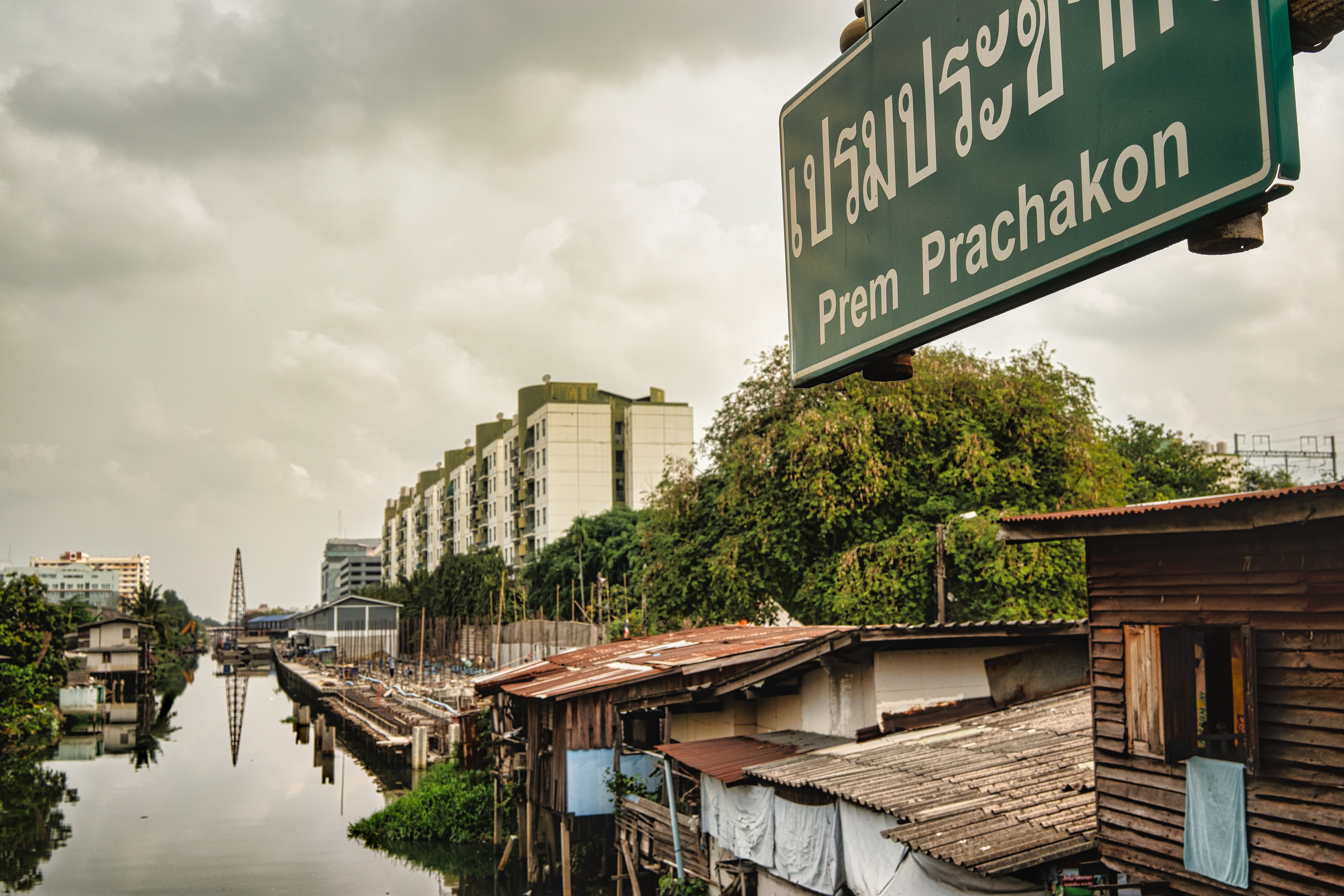
Many of Bangkok’s canals are undergoing modernisation. This should make them easier to walk or cycle around. However, I hope the old houses and alleyways are not destroyed in the process. I fear the sky in the photo above has been over-processed and does not sit too well with its reflection in the water. Is the photo a hit or miss? Let me know in the comments.
Gear
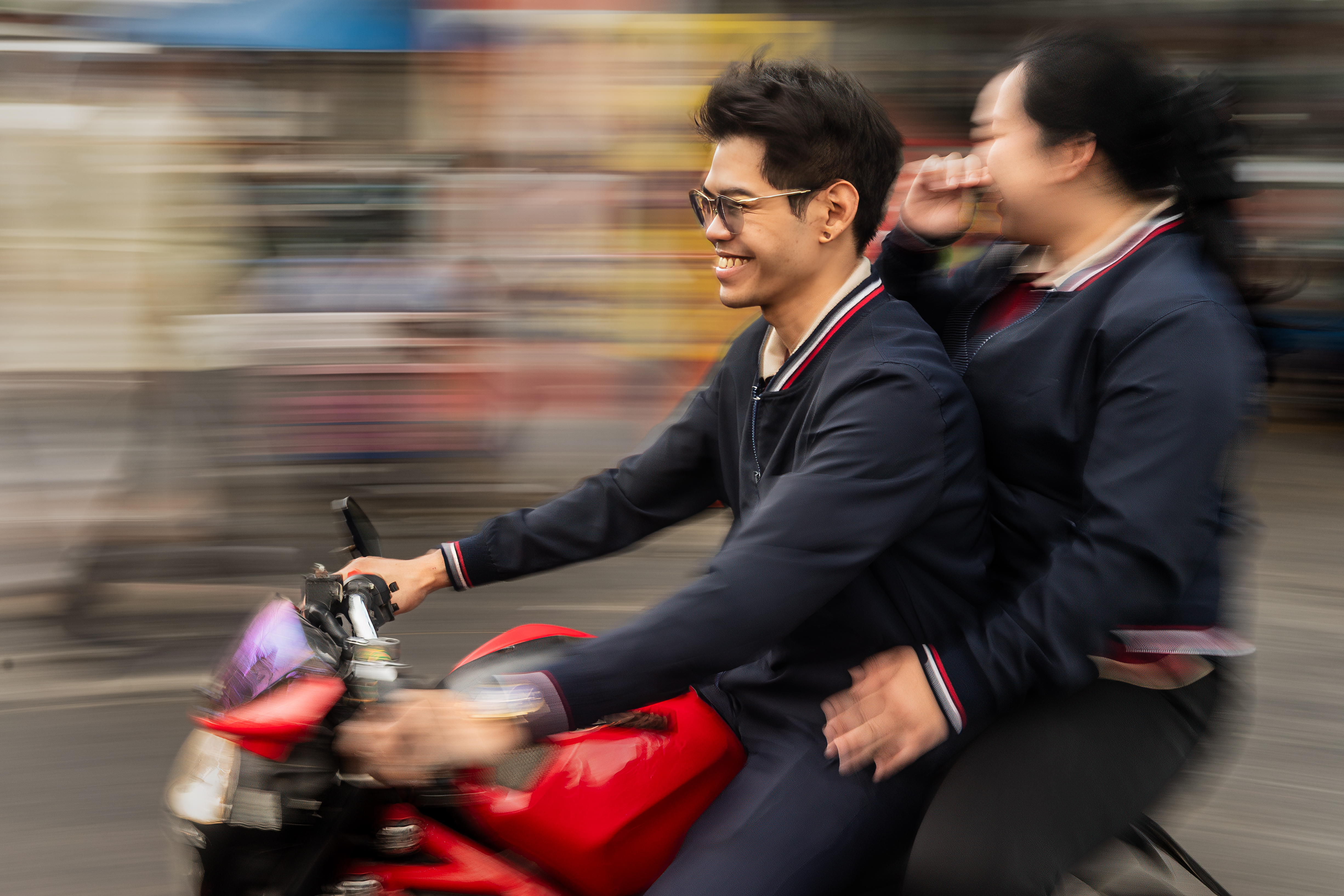
This photo shoot started at 8am. This is much later than I like to start my street photography as the sun is very bright and can burn all the detail out of the frame. Shooting in harsh light also requires a fast shutter speed and a small aperture. As I like to shoot wide open, I added a variable ND filter. I feel this has also created quite a pleasing tone to the images. Using ND filters is not something I have done a lot of, particularly for street photography. However, times they are a changing, so who knows.
Environmental Portraits of Lottery Ticket Merchants
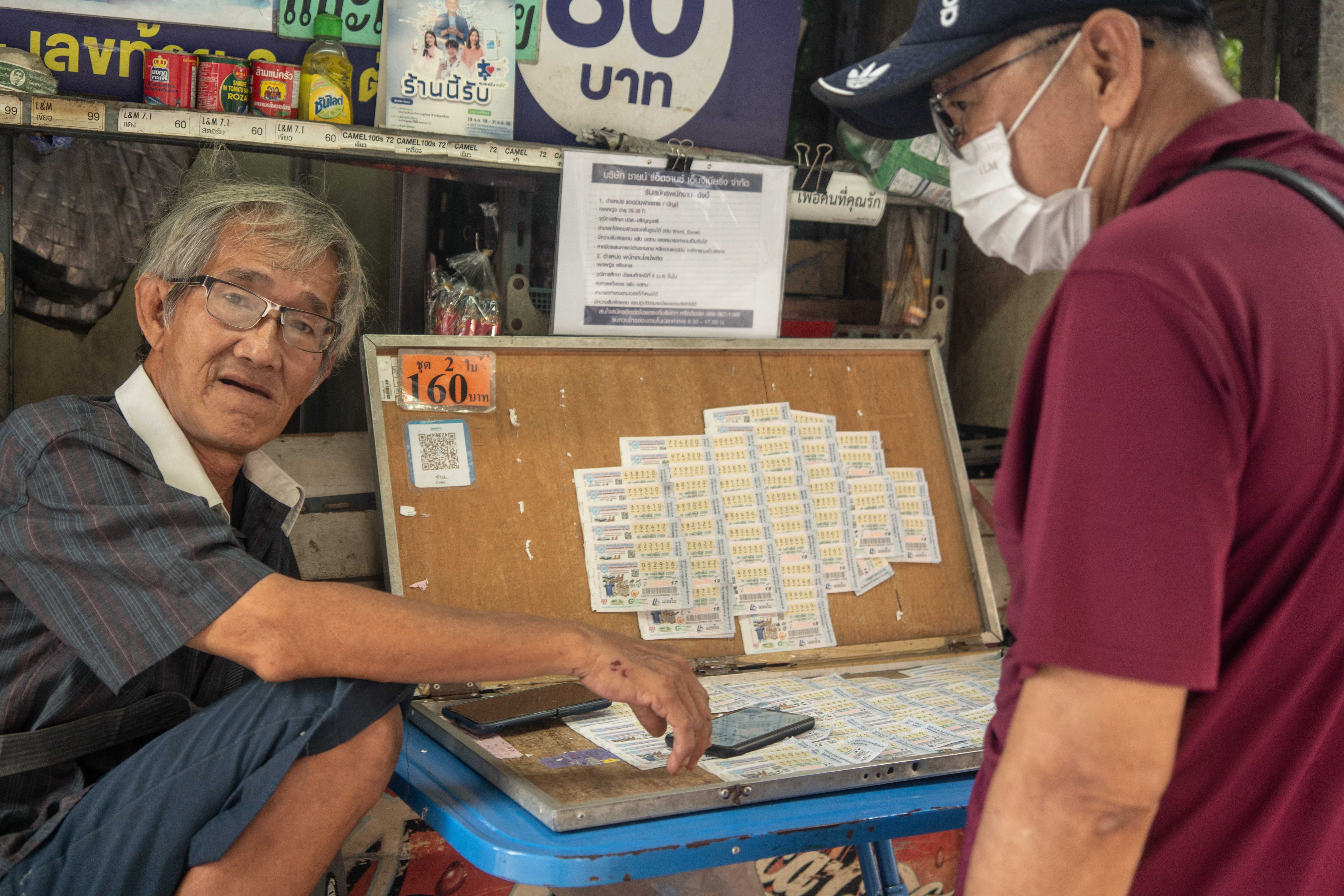
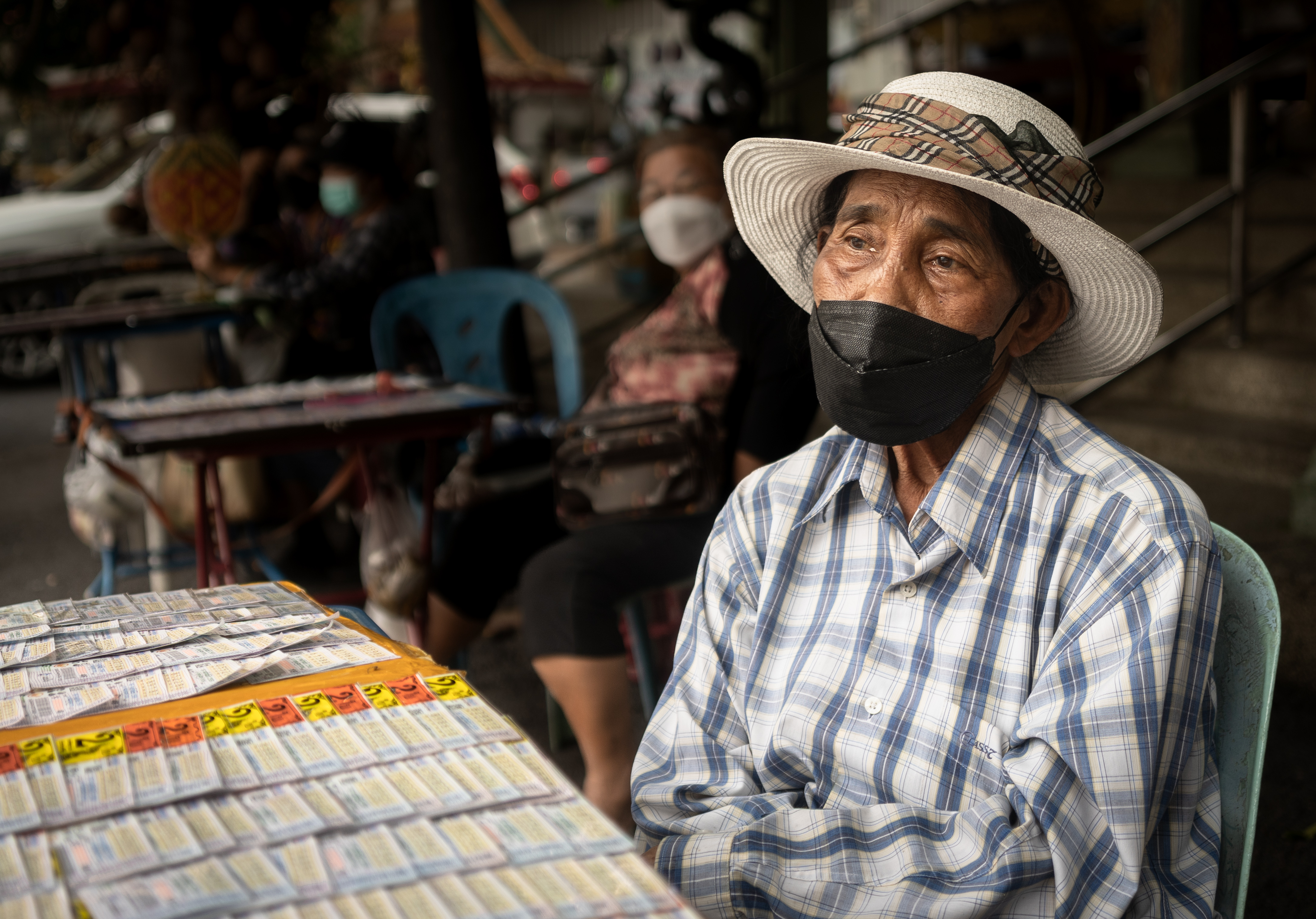
Lottery ticket merchants are everywhere in Bangkok and are often seen riding a bicycle. Note to self – take more pictures of these guys (and girls), as it could make a fascinating mini project. Out of the two photos, I prefer the image below. The lady looks lost in a daydream, maybe about one day winning the lottery.
Fish…
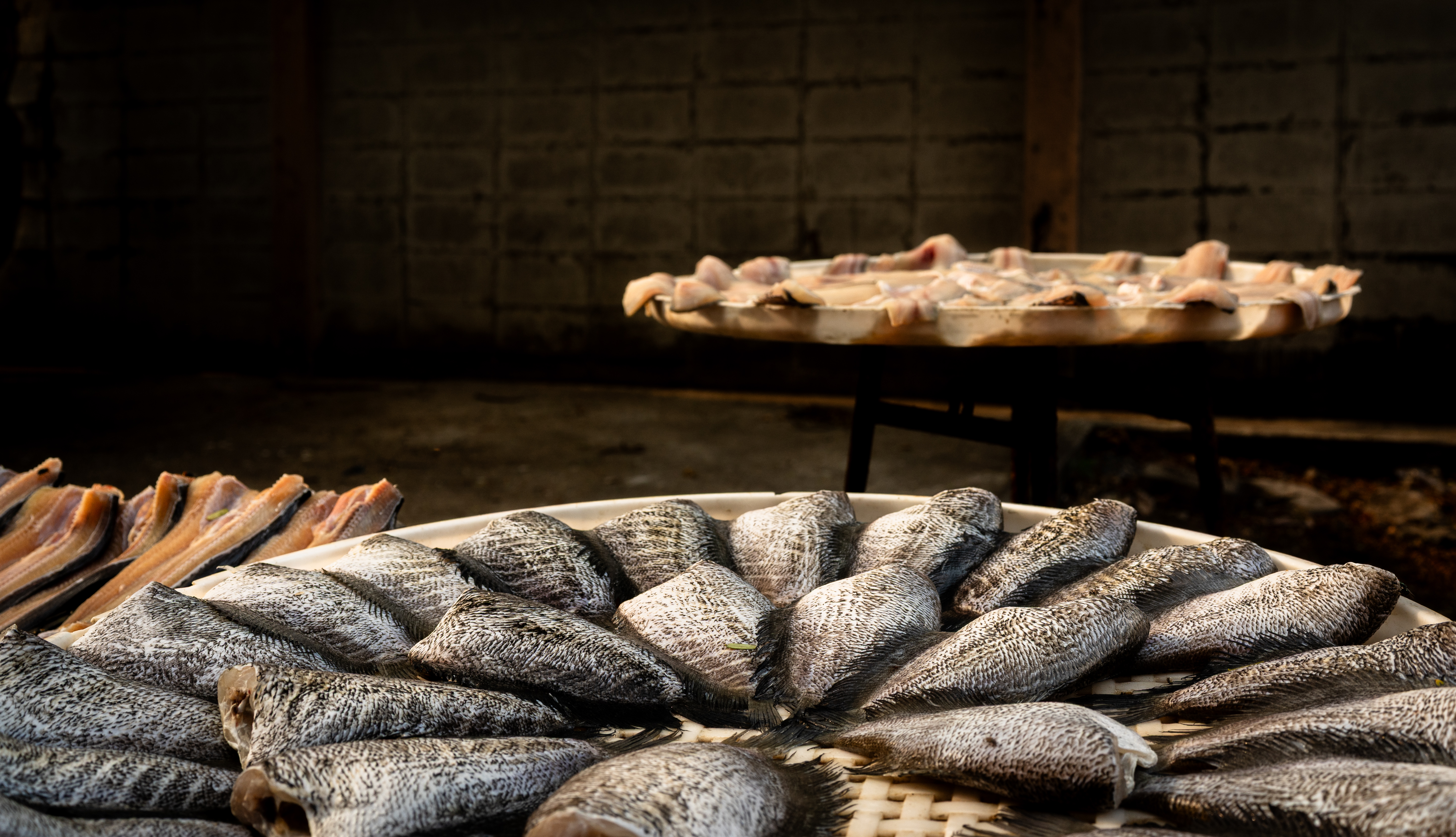
As with many countries in Asia, once you enter villages and alleyways, you soon start to see fish, sausages, and meat drying in the heat of the day. These foods are generally laid out in patterns, which make them ideal for photography. This was a very common site in China. Speaking of China my next post MAY be about exploring Bangkok’s Chinatown.
Well, that is me wrapped up for today. Take care and keep clicking, Chris

Photographing Thailand’s Urban Beaches
Posted on December 12, 2025
Pattaya and Hua Hin
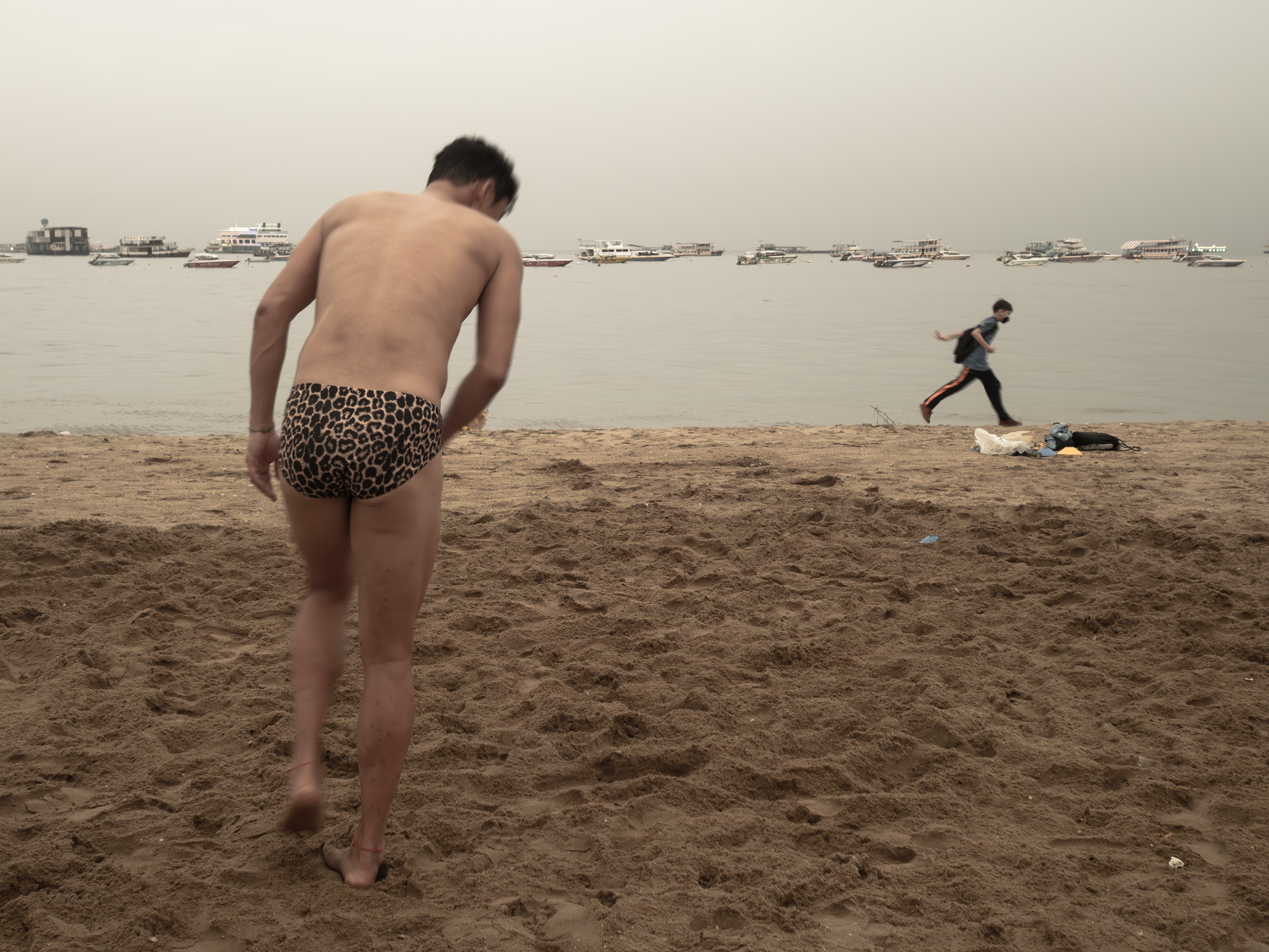
Pattaya
It takes two hours to drive to Pattaya from Bangkok, making the city close enough for a weekend of photography. All life can be found there, from the young hip crowd seeking the thrills of Walking Street, tourists seeking sun and sand, and old men looking for cheap beer and company. It makes sense that life spills onto the beaches. The best time of day is when the sun starts to set, and the light is not so extreme.
Gear
I packed my trusty OM System EM5 due to its compact and discrete nature. In the bag went my 17mm 1.8 for Street Photography, and my 45mm 1.8 for portraits. Both these lenses work well when the light gets low. As always, the images were edited in Lightroom Classic, which is always improving at removing the noise created by the higher ISO required to shoot in the evening and at dusk.
The People We Meet…
Most people sporting tattoos are quite happy for their pic to be taken, and this bloke was no exception. As always, the moment past in a flash. I wish I had asked about the significance of 1992! Tattoos are something that are always on my shot list.

Hua Hin
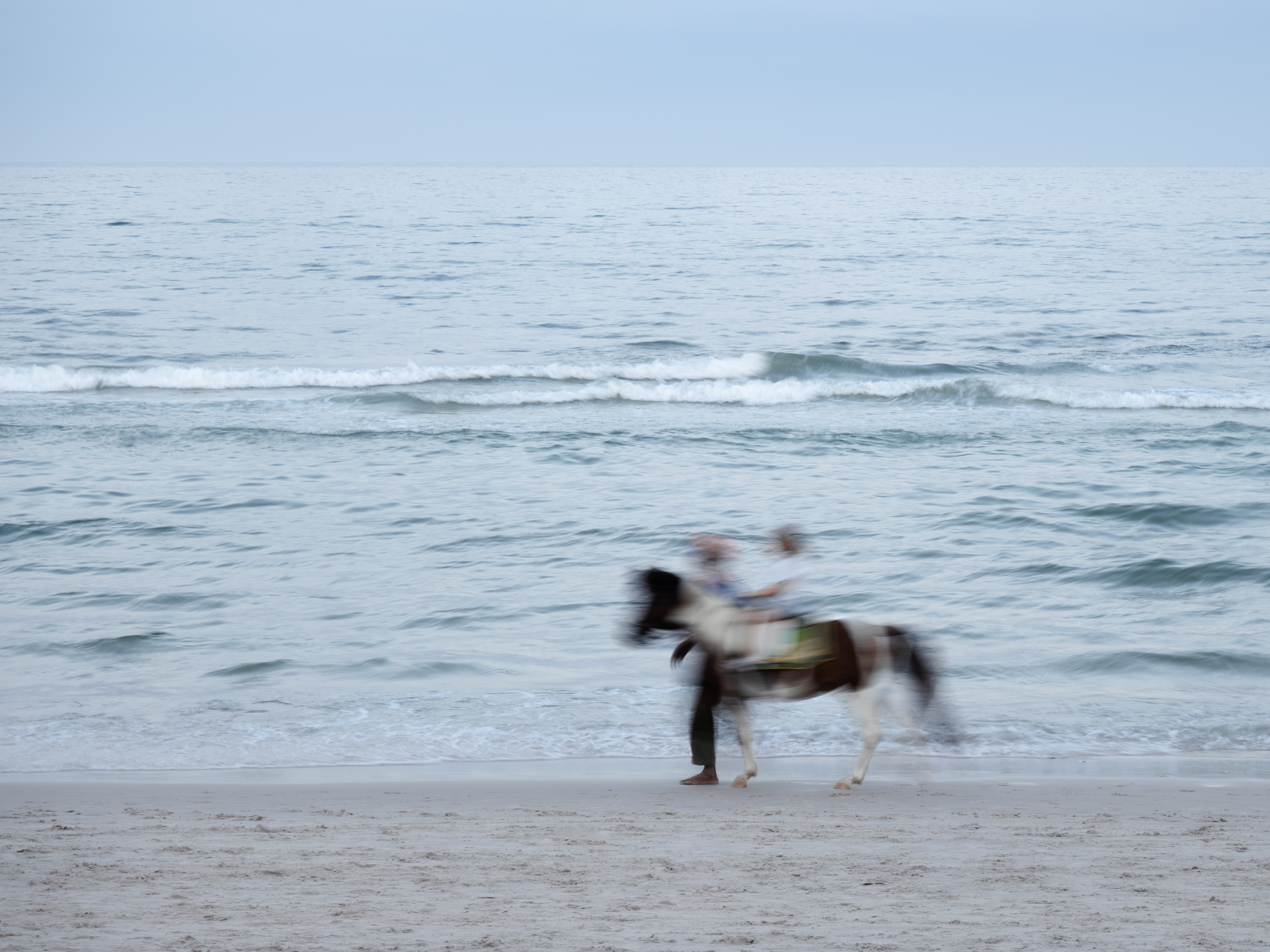
Hua Hin is further from Bangkok than Pattaya. If the traffic is fair, then you can cover the distance in just over three hours. The vibe is very different and a lot more relaxed. There are a diverse range of bars and restaurants, ensuring a variety of activities and people to photograph. I was strictly on holiday mode and spent more time reading books than taking photos. Some time was spent playing with intentional camera movement (ICM), leading to the image below, which is more than a little inspired by Maggie from Gisborne Camera Club!
Happy Christmas
Well, that may be all from Pagespics until 2026. I will be in the South Island of New Zealand for Christmas and returning to Thailand in time to see Fat Boy Slim play in Phuket. My camera will be with me, so looking forward to lots of family pics and landscape photography.
Take care and keep clicking, Chris
Exploring Chang Mai with the M.Zuiko 14-42mm Lens
Posted on October 19, 2025
Injury!
I have just returned from a week visiting Chang Mai, in Northern Thailand. My last visit was over 30 years ago, so unsurprisingly the city has changed a lot. A recent leg injury from an ill-advised game of football meant I could not explore to the degree I would have liked and required light packing. To keep weight down for this trip I chose my OM-5, mainly paired with my rarely used M. Zuiko 14-42 kit lens. For low light conditions I had the M.Zuiko 17mm, 1.8. One benefit of this setup is that it can be taken on board a plane as carry on, assuming not too much else is pushing the 7kg weight limit. Kit lenses are not known for their sharpness or contrast, so I was looking forward to how my images would look.

The M.Zuiko 14-42mm
This lens is incredibly small and light. It does not match the more pro lenses but holds its weight during day light hours. The full frame equivalent of this lens would be 28 – 84mm, so it works well for landscapes and portraits. The aperture is variable and opens within the ranges of 3.5 – 5.6, so will not capture beautiful creamy bokeh when taking headshots. The flip side of this is that it is easy to make sure everything is in focus! Digital Camera World has gone so far as to name this piece of kit, ‘the best pancake lens ever’.


Projects
Having a new country and home means there are new photography projects, and at the moment old cars are one of my ‘things’. In between visiting the many temples in Chang Mai, I found this rather nifty looking Volkswagen Beetle. The image is plenty sharp enough and helps cement the 14-42’s place in my camera bag. It is worth noting that the lens has an electronic zoom, which is not something I generally love as they tend to be slower to operate than their mechanical alternatives. Having an electronic zoom is one way the weight is kept to a minimum.

Conclusion
This lens will continue to be a favourite travel partner. It weights almost nothing and is one of the smallest lenses I own. It has a wide focal length, meaning it can shoot wide or close up, which in this instance may have saved my damaged leg from too much moving around. It struggles in low light, thus requiring a high ISO which leads to noisy images, admittedly, this is something that can be fixed to some extent in post-production.
So, if you are like me and have held your kit lens in low regard, you may wish to dust if off and give it another try. If you have an unsung hero in your camera bag I would love to hear about it in the comments below.
Take care and keep clicking, Chris
Street Photography Adventures in Dongguan
Posted on December 11, 2024

If you are thinking of wandering China with a camera, Dongguan is probably not your first place to visit. However, it has everything there for a great weekend of street photography. I headed for the alleys and the street vendors. I prefer grunge over the high-rise vistas of steel and glass. So, these photos do not accurately represent the city as a whole. Still, it provides a glimpse into the more miniature ‘urban village’ life. You would find the most wonderful Bao in the wicker baskets above. It is a steamed bun filled with either pork and vegetables or sweet red beans. Travel is not always about the photos but also about the food! The best food is often found around China’s famous wet markets.
Wet Markets
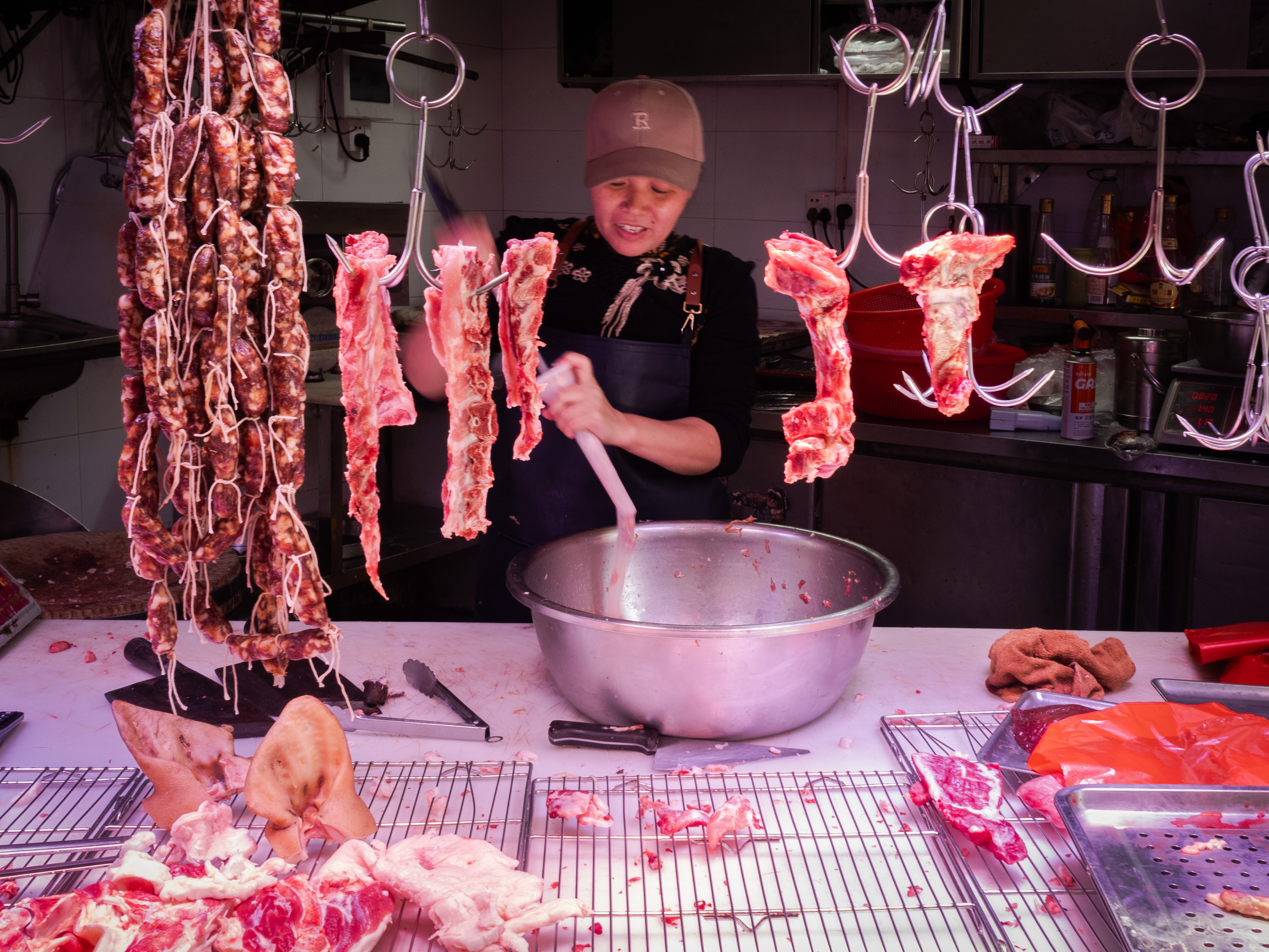
Many people have read about the wet Chinese markets after COVID-19. They really are a spectacular image of color and noise. The above photo was taken in the largest meat market in Dongguan. If this meat does not look fresh enough, the live chicken below is what you need. It will, of course, be butchered in front of you, and you get to keep the head and feet. You may not know that the chicken’s feet are more expensive than the breast meat. I don’t know what the other birds are, and I don’t want to know how they taste! Pigeon pie, anyone, or maybe it is a day for fish?

Fresh Fish
If you are looking for fish, there is plenty to offer. Carp is a popular river fish, while many salt-water friends are raised in intensive fish farms. The patterns of fish scales and the vivid colour of their entrails make for garish and slightly gruesome street photography. The busyness of these locations lets you get quite close to people. Most vendors are too active to care about a middle-aged photographer. A key takeaway is that the busier the location, the easier it can be to capture candid shots. Of course, it helps to have the right settings.

F9 and be there…
It has been a while since I spent the day with the camera stuck in this classic setting. I was using my Olympus Em5, and F5.6 was enough to guarantee that most of the frame was focused. Not quite so with the image below, but I think the shot still works. Lens choice also influences how sharp a photo is. I used the very portable and excellent M.Zuiko 17mm 1:8 fixed lens. This is a great piece of kit, cheap as chips, and absolutely perfect for street photography. For those who care, 17mm on an M4/3 camera is equivalent to 34mm on a full frame. This relates to how wide the camera lens is. Many Street Photographers shoot at 35mm, or 35mm equivalent.

You can break the rules…
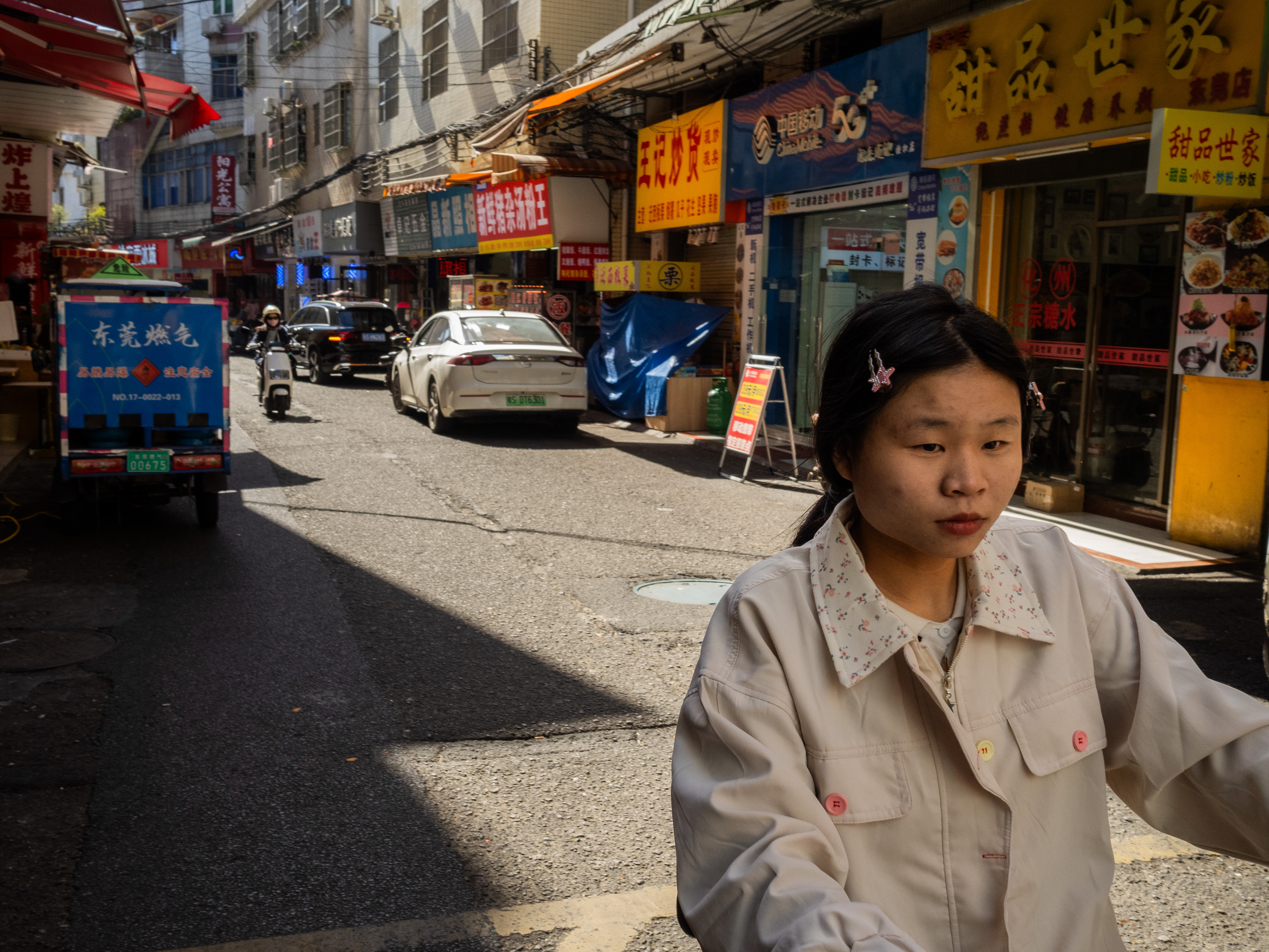
The photo below breaks the rule of ‘come in from the left and head towards the right of frame.’ I realise that this image will irk some photographers. You can get quite lost looking in the background. Once you get past the lady at the front, it becomes interesting. So, I like it. Does it matter what others think? I would love to know your opinion: Is the photo a keeper or not?
Colour
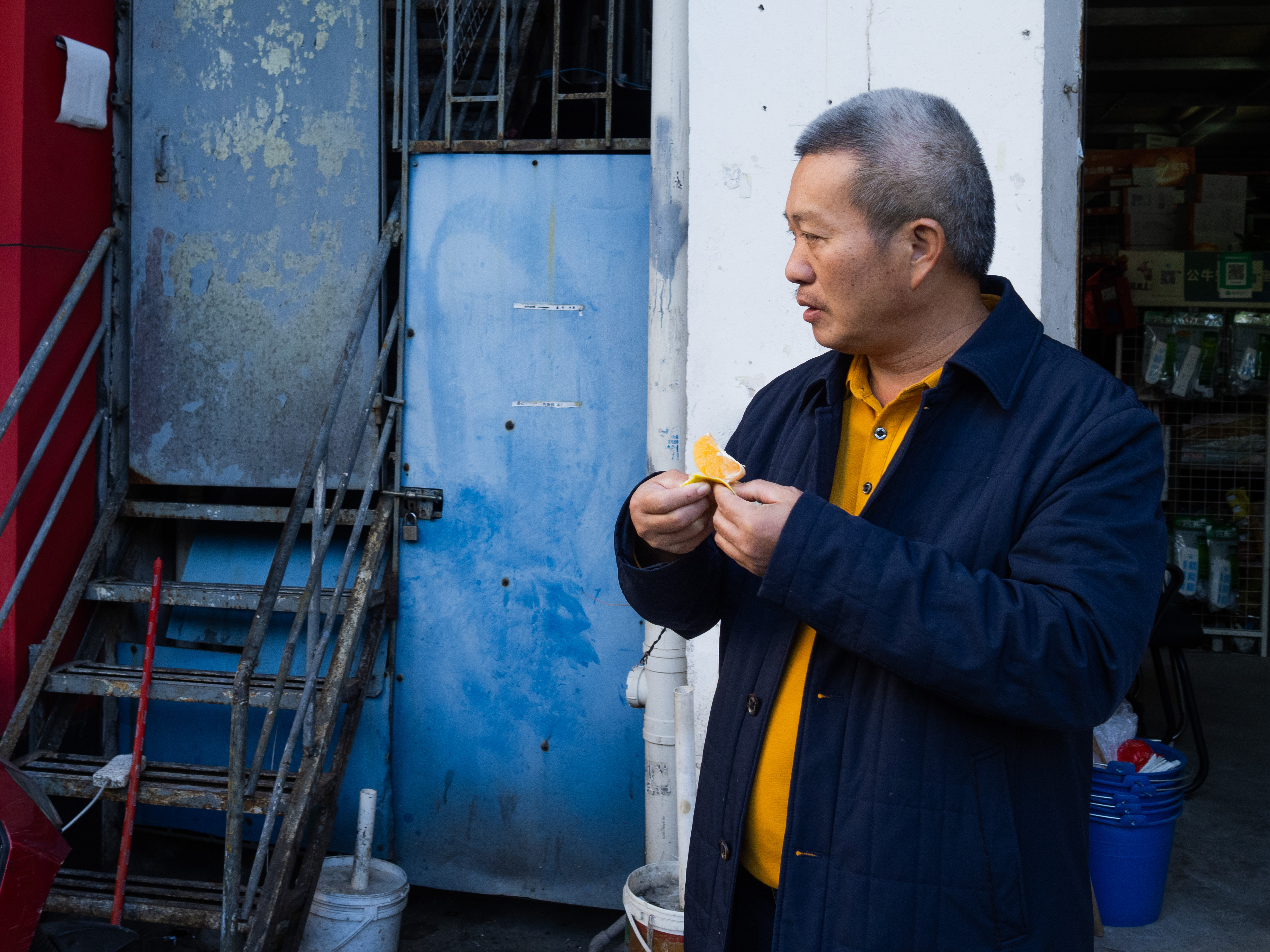
Colour is always a good thing to look out for. This is true unless you are a fan of shooting in black and white. Who can resist the allure of orange and blue? I don’t know if I noticed this colour combination when I took the photo. In addition, it was luck that he was eating an orange. I guess the more you shoot, the luckier you get!
End Of The Day…
Most of my favorite shots are often at the start or end of the day. The light is at its best. People are busy in the morning, and in the evening, you catch the crowds unwind. This group of men were quite happy for me to take a few pics. They were too engrossed in the game to pay me much attention. Majong is played throughout China, often by the older generation with photogenic faces pressed in concentration. Be aware that there are some sketchy gambling laws in China. As a result, taking photos of people playing cards can be more of a challenge.

And People…
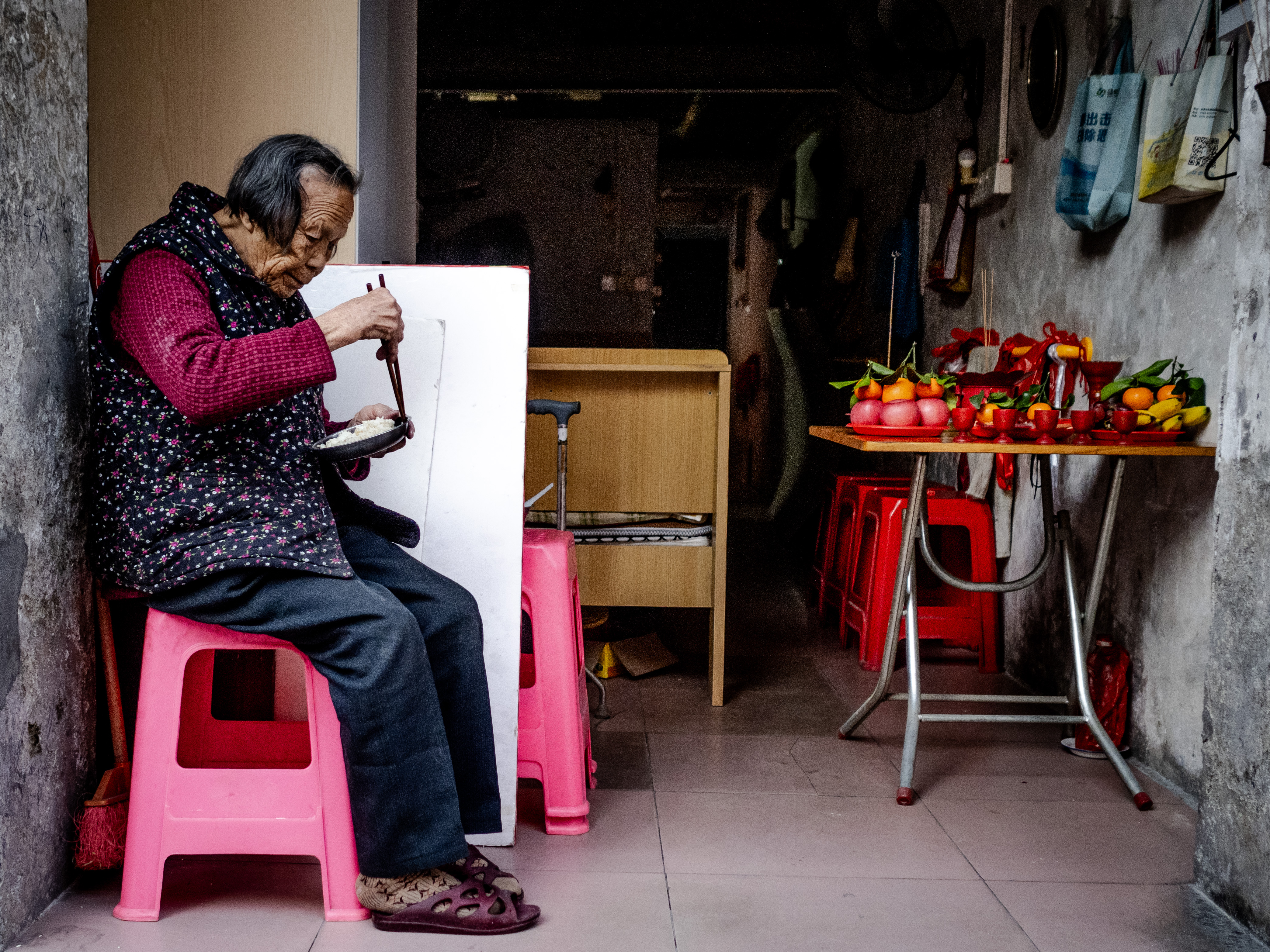
Street photographers are a nosy bunch. We like watching people, whether they are eating, arguing, or playing games. Sometimes, I want to slip in and out unnoticed. For example, when I took the above photo, I was discreet. Other times, I seek permission to capture an image. Having a small camera keeps everything discrete to a point. However, lately, I just like to stay still for a bit. On another note, 2025 may be my last year in China, although I hope not as I like it here. I want to make the most of it, so expect more adventures on my bike or on my feet.
Take care and keep clicking, Chris
Walking Home and the Imperfect Photograph
Posted on May 29, 2018
The Challenge
Recently, through the StepOutPhotography Collective, my friend Birka Weidmaier has challenged me to take imperfect photos. This challenge is harsh, I know what you’re thinking, there are never any imperfect photos posted to pagespics.com! To rise to this challenge I need to look at unusual angles and focus points. Secondly, I am not allowed to crop or adjust the horizon on my photos. I can take a week deciding if a horizon is straight, and trying to get it wrong ON PURPOSE sends shivers down my spine.

At an Angle!
Photography Gear For Hot Climates
Posted on May 1, 2018
What do you need for a Days Street Photography in a hot country?
India is HOT at the moment. Currently, Bangalore is subject to brief, but heavy tropical rains. This weekend I found myself taking photos in one of the Cemeteries close the to centre of town. On the way to town, the skies turned black. By the time I arrived at the Graveyard the heavens had opened, and it was raining cats and dogs. I ran to the nearest area of shelter, on the edge of the cemetery and sat amongst the gravediggers waiting for the rain to subdue. Sometimes adverse conditions lead to opportunities, and I came away with photos to compliment a project I am currently working on.

Using Auto Mode To Learn Photography.
Posted on April 4, 2018
Firstly, thanks to Anuj Agarwal for including this blog in the Top 75 Street Photography Blogs & Websites. I’m in at Number 54, which can’t be a bad thing. I now get to use this rather snazzy looking award. Check out the full list of sites at blog.feedspot.com/street_photography_blogs/
When to use Auto Mode
Yesterday I shot with the intention of seeing how my new Sony Rx100 iv behaved as a camera for Street Photography. Read any reviews on the Sony Rx series, and it soon becomes clear that the controls are not user-friendly. This camera begs for use of automation. Putting the camera in Auto mode strips the user of some artistic control, such as choice of f-stop, or the focus point. However, cameras appear to be growing in ‘intelligence’, and sometimes the auto mode will make a far better choice of settings then you or I ever would.
The Importance of EXIF
My argument for using Auto mode is that it is a tool that can teach us more about how a camera works. To learn what the camera can do, you need to study the EXIF data. For any newbies out there, this is the information stored in the file telling you the settings used. The EXIF will state the ISO, Aperture, Shutter Speed and Focal Length. When using Lightroom, hitting ‘i’ will bring up this information. Checking the EXIF will give you a good starting point for what settings you can try, and it will also tell you a little bit about your camera.
What I Learned
My learning experience will be different to yours; this information is just an example of what the EXIF can teach us. Firstly, I was pleasantly surprised at how the camera kept the ISO low. A low ISO means less noise and a better quality photo. Unless I discover a shortcut, this particular camera is likely to remain in Auto ISO mode as I am happy with the settings it defaults to (Although I may see if I can set the front ring to adjust this setting).

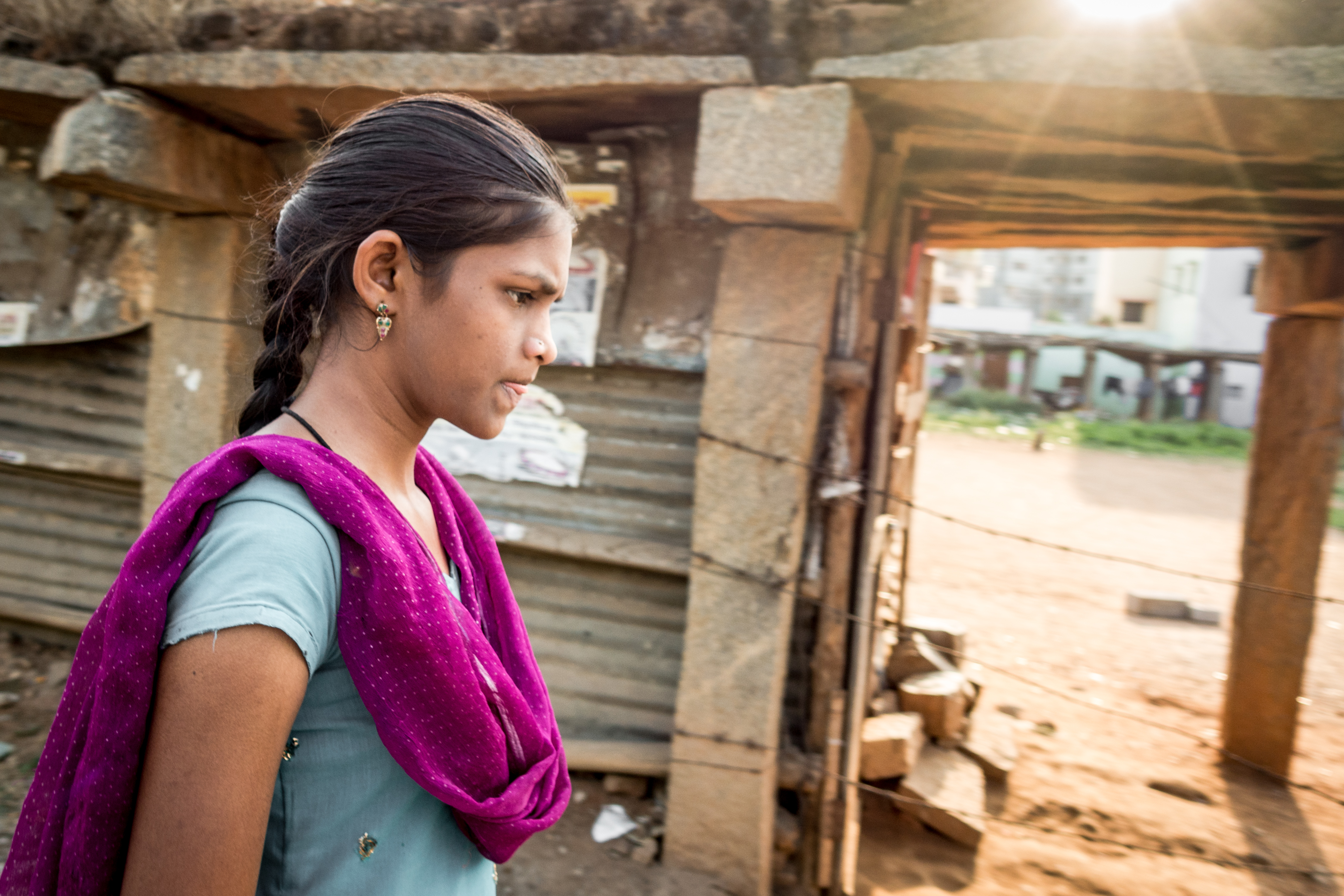
EXIF: 1/80 sec, f/2.8, ISO 800
Secondly, the camera ‘chose’ an F-stop that was much lower than I would have dialed in. I often shoot using a high F-stop to get everything in focus (except for Street Portraits), however, with the Rx100 images look sharp enough at around f2.8. There is a reason for using different aperture settings with respect to sensor size. I have always used an APS-C or a M4/3 sensor. The Sony has a smaller 1″ sensor. The smaller the sensor, the lower the f-stop can be while retaining sharpness, i.e., I will go up to f8 using my Nikon D7100 (APS-C sensor) and up to 5.6 with my Olympus (M4/3). After studying my EXIF, I will stick to 2.8 for most of my Street Photography undertaken with the Sony Rx100.
The EXIF showed the camera chose an adequate shutter speed, although it erred on the safe side, often shooting at 1/200+ for stationary subjects . With the camera’s five-axis stabilization, I know I can take photos handheld with speeds as low as 1/30 of a second. Shutter speed is one reason why I would never default to just using Auto mode. I can see how fast something is moving and know the shutter speed my camera needs to be set for keeping an image sharp.
Focus on the frame, not the camera settings.
To learn effectively, it is often wise to focus on ONE skill. If you are not proficient at getting out of auto (or slow at finding the right settings), then you can choose to allow the camera to handle all of that for you. AUTO mode will free you to think only about composition, a skill arguably more important than understanding a camera’s settings.
EXIF: 1/250 sec, f/2.8, ISO 125
Now get out of AUTO!
I am not advocating using the Automatic mode all the time. Ultimately it will make you a lazy photographer. Learning how the different settings work will give you artistic freedom to create the photo you envision when spotting a scene of interest. However, don’t snub it – the technology is becoming better all the time, and the camera can make some significant decisions on its own. Don’t forget to study the EXIF data to find out what the camera has done. Follow this up by thinking about WHY the camera has chosen the settings it did.
That all for today folks. Keep an eye on my Youtube channel. My next Vlog post is going to go into more depth on my experience of using the Sony Rx100 iv for Street Photography.
Take care and Keep Clicking, Chris
Traveling with the Olympus EM5ii.
Posted on March 21, 2018
During the last couple of weeks, I have not been posting much online. I have been visiting a remote location with no wifi and a phone that ran out of credit. However, I have still been busy on a couple of projects. The photos will emerge at some point, so watch this space. Here is a little teaser of what I have been doing.
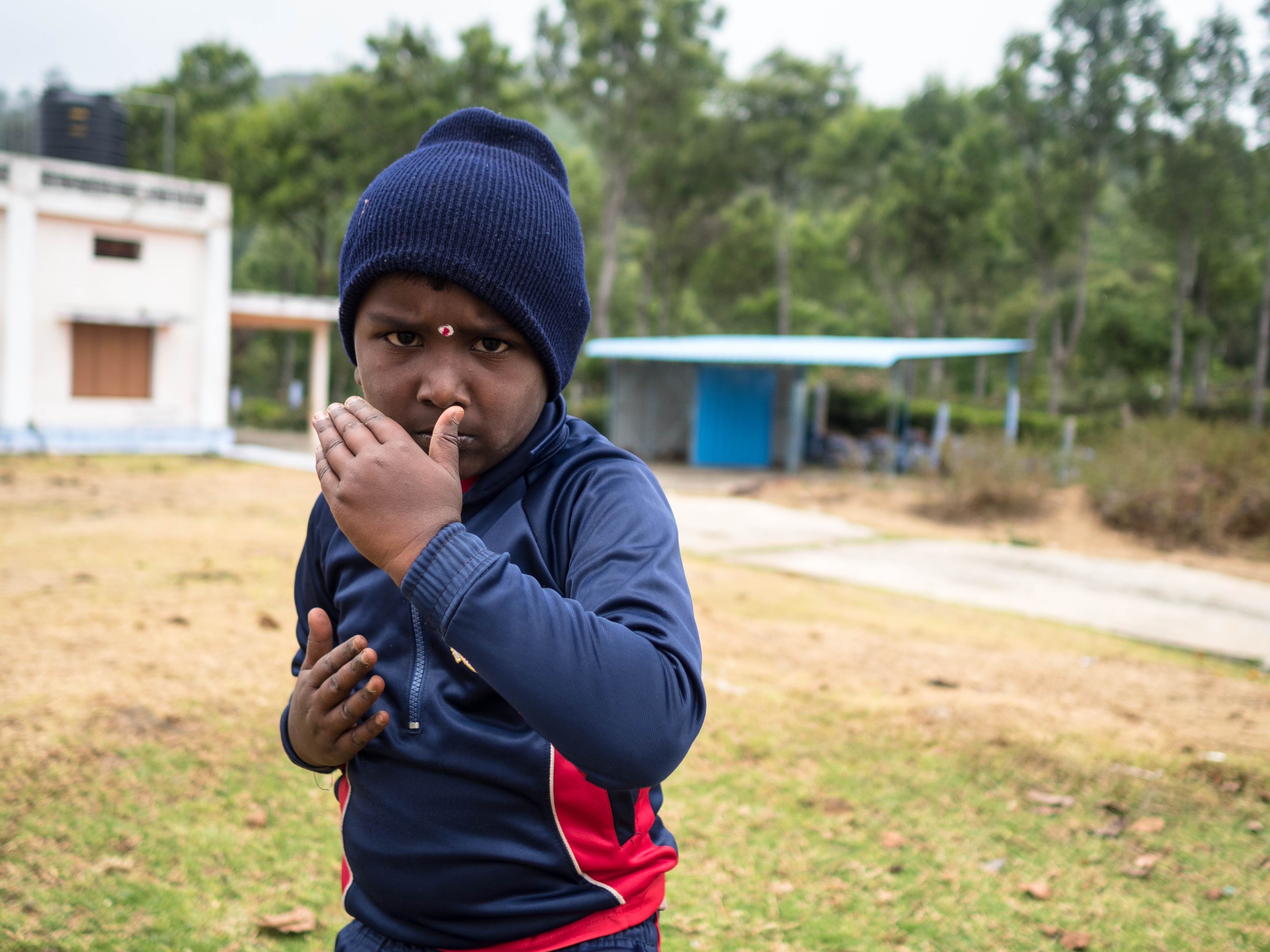
Karate Kid was happy to perform for the camera.
The Nilgiris Hills, India
I am fortunate to have spent the last week camping out with my Grade 6 class at the Nilgiris Hills, in Southern India. As well as being responsible for student wellbeing, I also had the task of photographing the week’s events. My gear of choice was the Olympus Em5ii with the 12-40mm and 25mm lenses. I am used to using this camera for a day’s photography. However, using it for a full week, from when I woke up to when I went to bed was going to show up its strengths and weaknesses.
Battery Life
I took two batteries with me; one is an official Olympus battery and one a cheap knock-off from China. In general, there was always a charging point nearby. However, the life of these batteries is still way shorter than with my Nikon D7100, which can run for days without a charge. A couple of tips, turn the screen around and just use the EVF. I also turned off the image stabilization for a lot of the time; mainly when there was a lot of sunlight. Mirrorless has caught up with DSLR’s in every aspect but battery life, and the Olympus range of cameras is no exception.
Lens Choice
The 12-40mm lens will remain my go-to choice for Street and People Photography. However, in this situation, there were times when I wished my lens had more reach. While nature photography is not my usual bag, if I see a wild animal then I damn well want to capture of shot of it. As well as a plethora of exciting bird life, I was privileged to witness a herd of wild Gaur, these are huge horned cows and are pretty dangerous. I managed to get reasonably close for a picture but would have loved a longer lens. The 12-40mm range also falls short when needed for sporting activities, such as abseiling. On the Street, I can get close to people, but with nature and sport, this intimacy is not so achievable. Olympus have a 12-100mm lens that would be ideal for this kind of camp, but I don’t think I would want to be using a lens that big and heavy every day. The strength of the 4/3’s system is, in part, due to its compactness.

A Wild Gaur. One of the few times I wish I had more reach with my zoom.
Firmware and User Experience
I had updated the firmware and lost my customized settings, and this meant I had to set my camera up once more. Re customizing my camera turned out to be a good thing, and I am now pretty happy with my settings, which I will share with you at some point. People criticise the controls of the Olympus cameras, but time spent customizing your Olympus camera will make it sing. While away I also had a chance to play with the pixel shift technology, for some reason the camera chose to shoot in Jpeg format, which while not ideal, helped to ensure that I got it right ‘in camera.’ However, this is not a feature I am likely to use much.
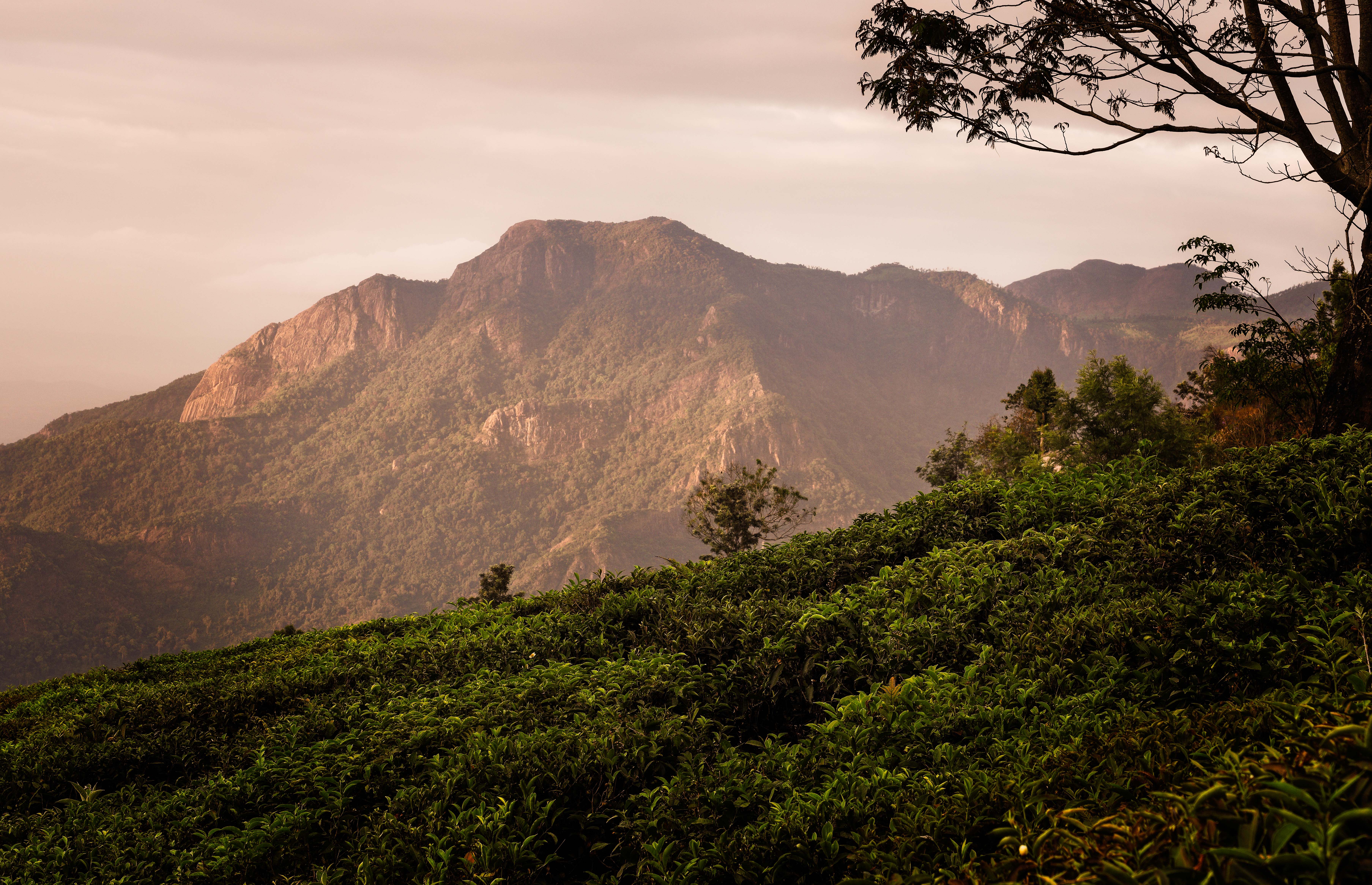
Landscape taken using the Olympus ‘pixel shift’ technology. Edited with a filter using On1.
Photos and Video Quality
Once again, I love the images captured with this camera. For a short period, I will leave the album up on this site (https://pagespics.com/nilgiris-camp/). The photos are a little different from my usual fare, but it is a great way to share the images with the students who came on camp. Again, I always shoot RAW to get the best out of my camera. To edit the multiple photos quickly, I used the synchronize option in Lightroom.
I do not usually use my Olympus for a lot of video. However, this may change as I am happy with the footage captured. The 5 axis image stabilisation worked a treat. You can see the final edited version of the movie on my YouTube channel. The image stabilization meant I could leave my tripod in the bag. Again, with Micro 4/3’s less is more! I love to travel light. My editing was carried out using iMovie, although basic, it is a piece of software that gets the job done, plus the price is perfect!
Final Thoughts
I had a great week, taking pics with my camera. I loved its compactness and versatility, and the photos look great. I would have liked the batteries to have had a better life and would have appreciated a little more length on the zoom. If I threw money at these issues, I could get a battery grip and the 12-100mm lens. However, there is no extra pay for taking photos when I am at work, so it would be hard to justify the cost. Adding these extra’s would also negate the advantage of the system’s compactness, plus I do not need either of these items for my Street Photography.
The Week Ahead.
Tonight I head for a brief stint in the UK, which is covered in snow. It has been a few years (at least) since I last experienced cold weather and I own NO warm clothes. Hopefully I will get a chance get out and capture a little Street Photography.
Morning Glory Street Photography
Posted on October 17, 2017
Why you need to get up early for Street Photography. A personal story of a succesful morning. Thanks to Matvey Z for planting the idea of writing this!
Early Mornings
Scratching sounds awoke me at 5 AM. Next to my head was a small puppy, rescued from the streets just five days previously. He needed to get outside, quickly. On returning from our brief walk together, it became apparent my snoring had led to me being evicted from my half of the bed, a morning of romantic spooning was not on the cards. With the Internet down, I found myself with little to do and in a situation that called for an early morning photo walk.

Portrait and study of Yellow, Bangalore
Morning Light
Street photographers are often a lazy bunch, we like afternoons and evenings, capturing images in the dying light. However, mornings are a fantastic time of day. The light can be beautiful, and people are just waking up and may be caught unaware by the photographer. Calmness can reside in places that will be in chaos later. I had to remind myself of this as I sat in my Uber, worried, as the skies opened up and the rain started to pour. At this point, thoughts of bed were sorely tempting. Lady luck was with me though; the rain stopped as the car arrived at my chosen location.
Photographing Slums
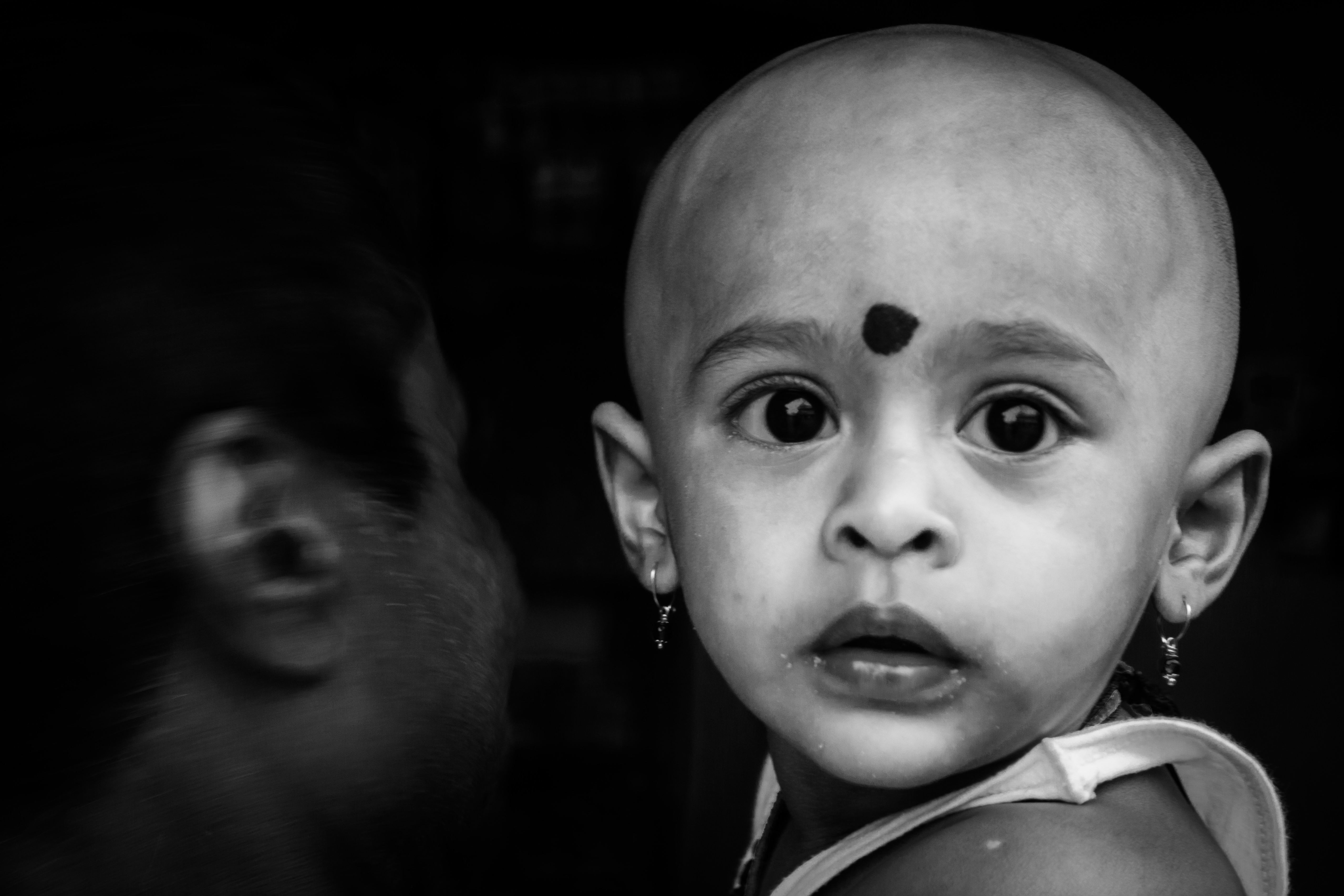
I had chosen a slum area north of Bangalore’s centre. As expected, it was quiet. Five minutes into my ramble I was invited into a home. Grandmother was cooking a rice breakfast, Mother holding child, sisters coming and going and father waking up. For a small place, it was extremely busy and a photographer’s dream. I resisted the urge to start clicking and managed some form of communication. Coffee was served, which I hesitantly sipped (and it turned out to be just fine!). Finally, photos were taken. I have since printed these pictures and will return with them as gifts. The room was small and dark, and I had to crank up my ISO. I am pleased with the pictures, and they will provide a reminder of my morning photo walk.
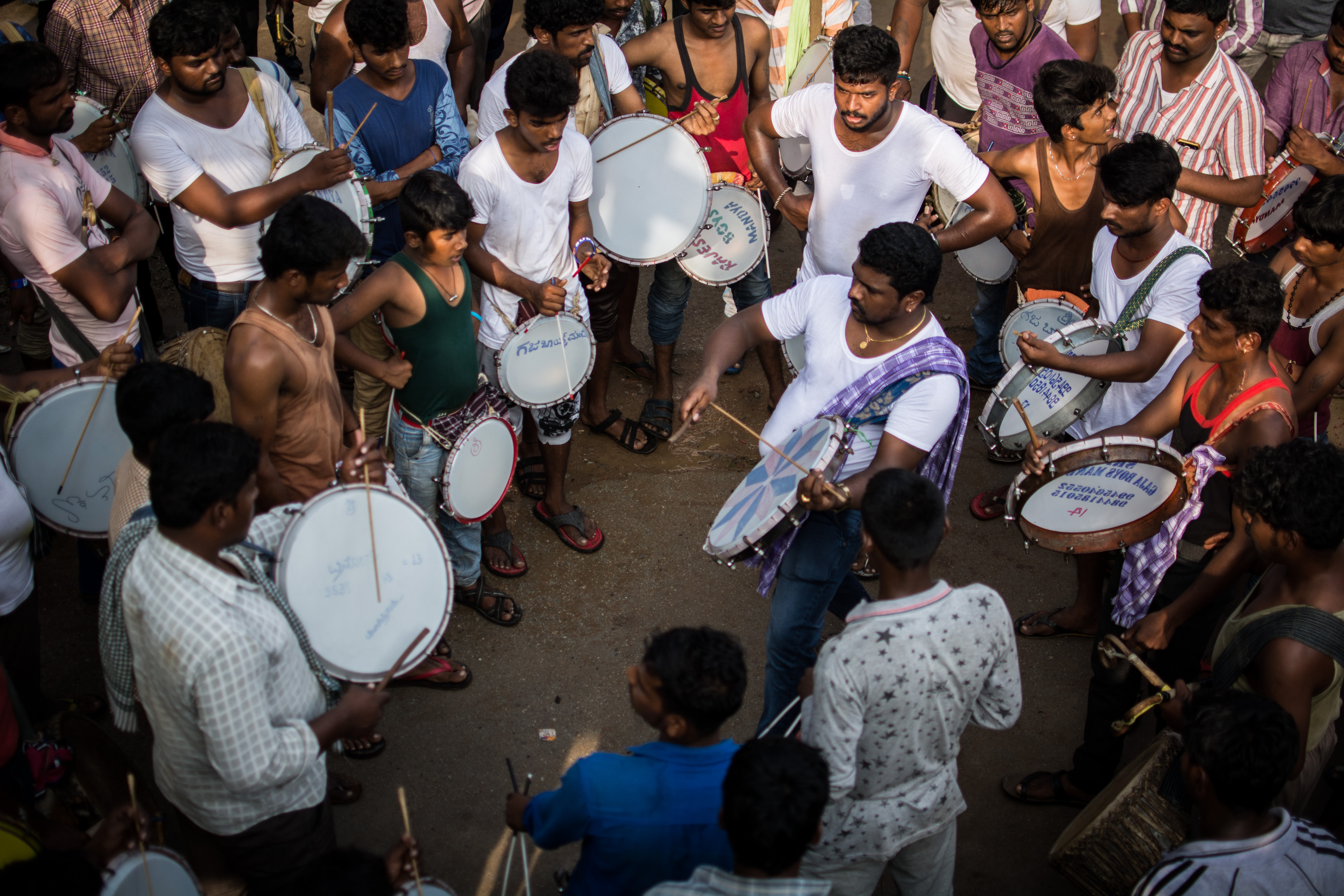
Festival Photography
A Festival Photoshoot
Drumming was heard not two minutes from leaving the house. The noise quickly escalated, and I found myself in the middle of a religious throng. Photography heaven ensued. Groups of worshippers walked by, gripped by religious fervor, whipping themselves into frantic dances driven by rhythmic drumming. Drummers and dancers led colourful Gods, mounted on trailers and tractors. Streets filled with residence offering pumpkins and coconuts, which in turn were taken by the priests and smashed in front of the gods. Colourful faces called out for photos, and I quickly became covered in blue powder paint (as was my camera, which appears to have survived).
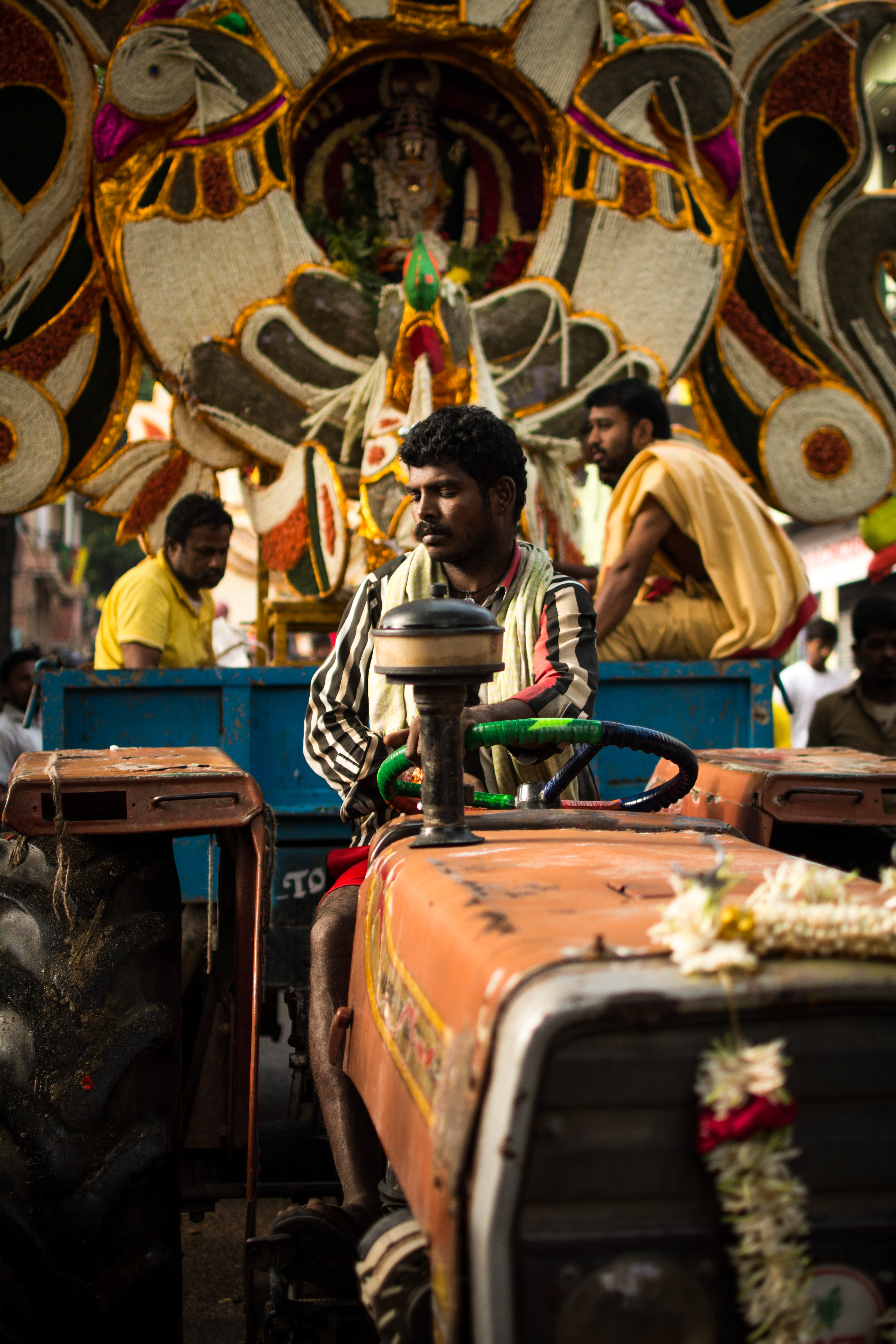
I moved quickly after taking this photo!
The puppy, unfortunately, had to go and is with a family now. I will have to find another way to get kicked out of bed. Mornings are a time often neglected by Street Photographers, but it is a time of day that can be pretty awesome. I came home with a set of pictures I was proud of, and my hit rate was higher than it has been for a while. So, mornings – give them a go. The early bird may catch the worm yet.
Take care and keep clicking, Chris
 pagespics